Introduction
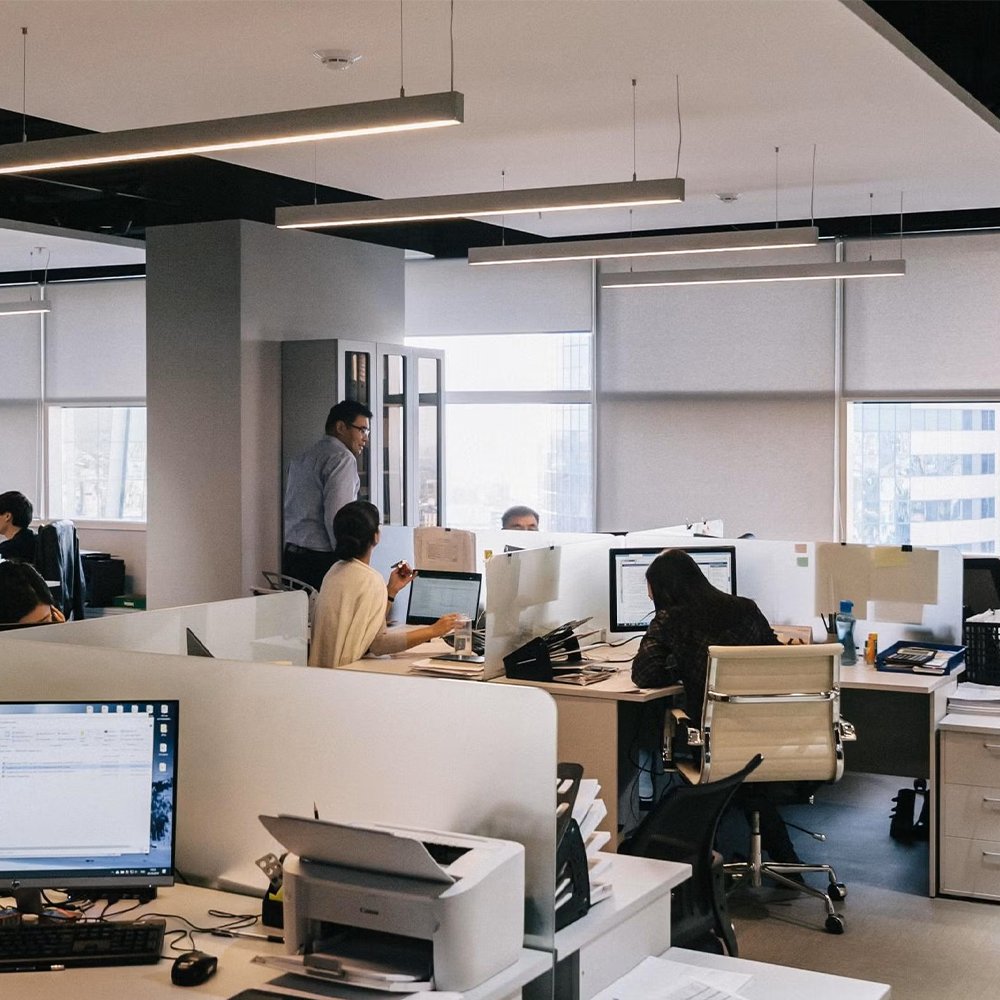
If you spend most of your day sitting at a desk, you’re probably familiar with the aches and pains that come with it—stiff shoulders, a sore back, or general fatigue. This sedentary lifestyle can take a toll on your body over time, but there’s a simple solution: Pilates. Pilates is a gentle yet effective form of exercise that focuses on strengthening your core, improving flexibility, and promoting better posture. It doesn’t require special skills or a lot of time; you can do it at your desk, during a break, or at home. In this article, we’ll explore the key benefits of Pilates for office workers, share easy exercises you can try today, and offer practical tips to make it part of your routine. Our goal is to help you feel better, move more freely, and boost your overall well-being, without overwhelming you with technical jargon. Let’s dive in!
Why Office Workers Need Pilates
Sitting for long hours is one of the biggest health risks for desk workers. When you’re seated, your spine, neck, and shoulders bear most of the pressure, leading to poor posture, muscle tightness, and even chronic pain. Over time, this can affect your energy levels and productivity. Pilates addresses these issues by targeting the muscles that support your body in everyday movements. Unlike high-intensity workouts, Pilates is low-impact and emphasizes control and breathing, making it perfect for busy professionals. It helps you build a stronger, more balanced body that can handle the demands of desk work. Plus, it’s adaptable—whether you’re a beginner or have some experience, you can start with basic moves and progress at your own pace.
Why Office Workers Need Pilates
Improves Posture
Good posture is essential for preventing pain and injury, but it’s hard to maintain when you’re hunched over a computer all day. Pilates strengthens the core muscles—like those in your abdomen and back—that help you sit or stand up straight. Exercises such as shoulder rolls or chest openers encourage you to align your spine properly. With regular practice, you’ll naturally adopt a taller, more confident posture, which reduces strain on your neck and back. This not only alleviates discomfort but also makes you look and feel more alert.
Reduces Back Pain
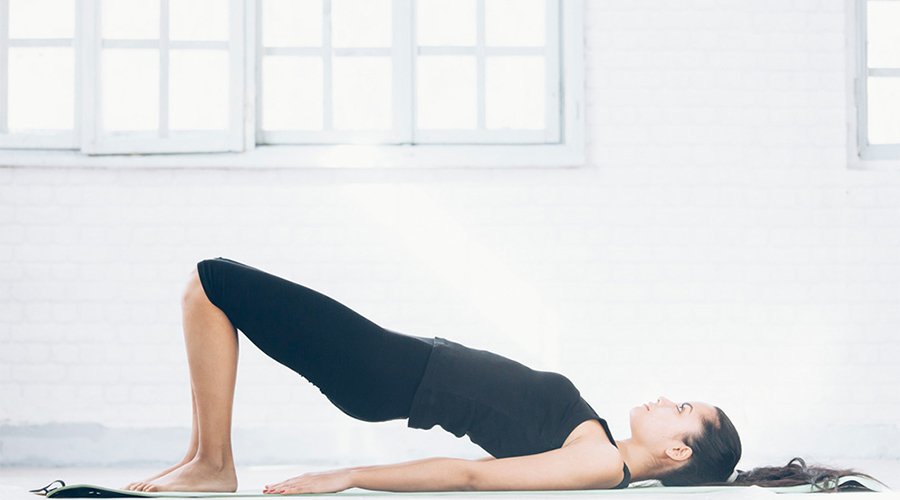
Back pain is a common complaint among office workers, often caused by weak core muscles and prolonged sitting. Pilates includes movements that stabilize the spine and stretch tight areas, like the lower back and hips. For example, gentle twists or pelvic tilts can release tension built up from sitting. By strengthening your core, Pilates helps distribute weight evenly, taking pressure off your back. Many people notice less pain and improved mobility after just a few weeks of consistent practice.

Enhances Flexibility and Mobility
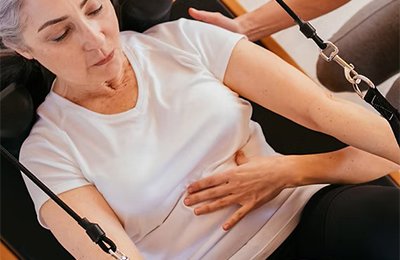
Sitting for hours can make your muscles stiff, especially in the shoulders, hips, and legs. Pilates incorporates stretches that increase your range of motion, making it easier to move around. Simple exercises like seated leg lifts or spinal twists loosen tight muscles and improve circulation. Better flexibility means you’re less likely to get injured and can perform daily tasks with ease. Even short stretches throughout the day can prevent stiffness and keep you feeling limber.
Boosts Mental Health and Reduces Stress
Pilates isn’t just about physical health—it also benefits your mind. The exercises require focus and controlled breathing, which can help clear mental clutter and reduce stress. For office workers dealing with deadlines and meetings, taking a few minutes for Pilates can be a refreshing break. Deep breathing calms your nervous system, while mindful movements improve concentration. This leads to better productivity and a more positive outlook on your workday.
Promotes Overall Well-being
Regular Pilates practice builds full-body strength, from your core to your limbs, helping you stay resilient against the effects of a sedentary lifestyle. It supports long-term health by improving posture, reducing pain, and increasing energy levels. By making Pilates a habit, you invest in a healthier, more active life that balances work and well-being.
Simple Pilates Exercises for the Office
You don’t need any equipment to get started—these exercises can be done right at your desk. Aim to do them for a few minutes each hour to break up long sitting periods.
Seated Spinal Twist
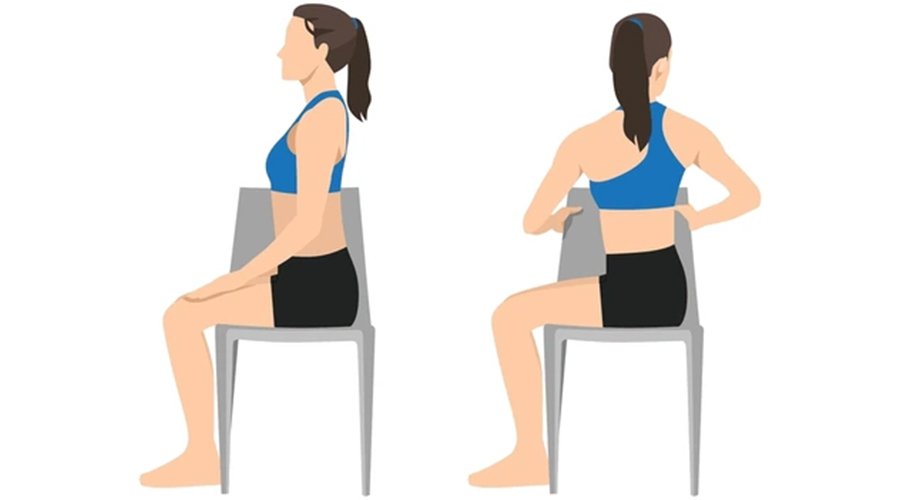
How to do it: Sit up straight with feet flat on the floor. Inhale deeply, and as you exhale, gently twist your upper body to the right. Place your left hand on your right knee and your right hand on the chair back for support. Hold for 2-3 breaths, then return to center. Repeat on the left side.
Benefits: Relieves spinal stiffness and improves mobility.
Shoulder Rolls
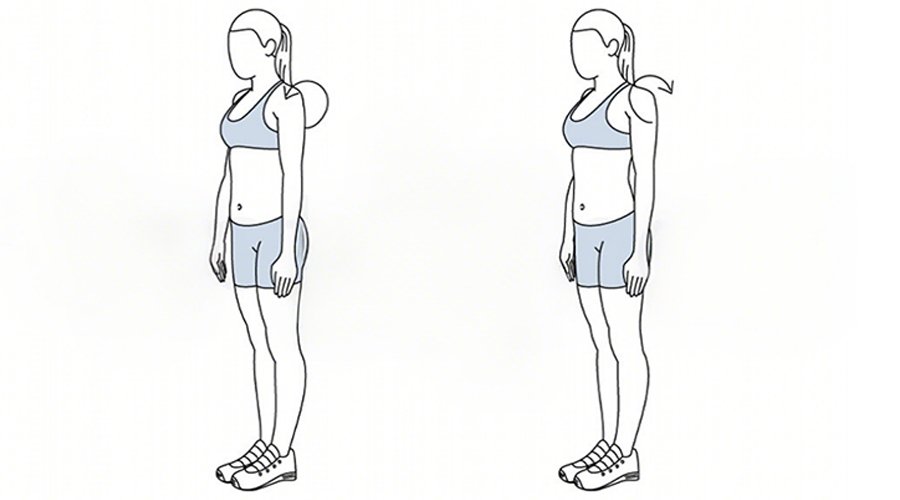
How to do it: Sit tall with feet flat on the floor. Inhale, and as you exhale, lift one knee toward your chest, keeping the bend at 90 degrees. Hold for a moment, then lower slowly. Alternate legs and repeat 10 times per side.
Benefits: Strengthens core and hip muscles.
Desk Chest Opener
How to do it: Stand behind your chair and interlace your fingers behind your back. Straighten your arms and gently lift them while opening your chest. Hold for 20-30 seconds while breathing deeply.
Benefits: Counters hunched posture and reduces shoulder tightness.
How to Incorporate Pilates into Your Daily Routine
Consistency is key to reaping the benefits of Pilates. Here are some easy ways to make it a habit:
- Set reminders: Use alarms to take short breaks every hour for stretching.
- Start small: Even 5-10 minutes of Pilates daily can make a difference. Try it before work, during lunch, or in the evening.
- Combine with other activities: Pair Pilates with walking or light cardio for overall fitness.
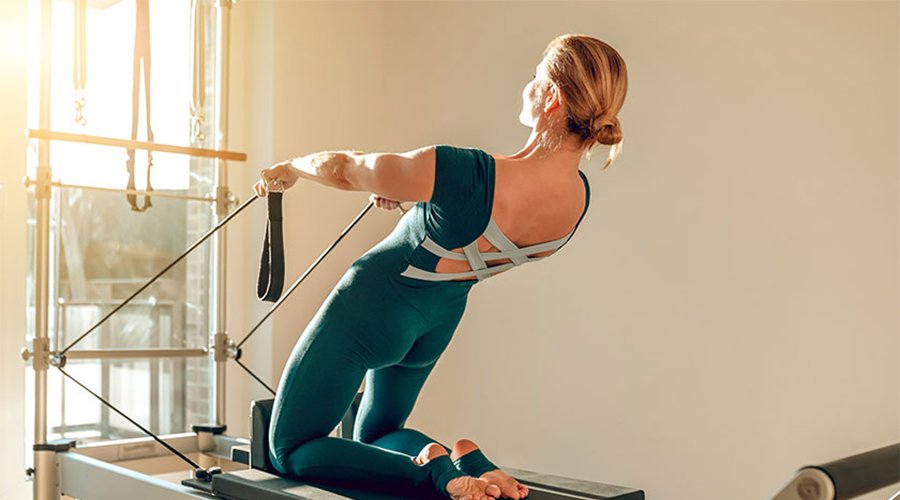
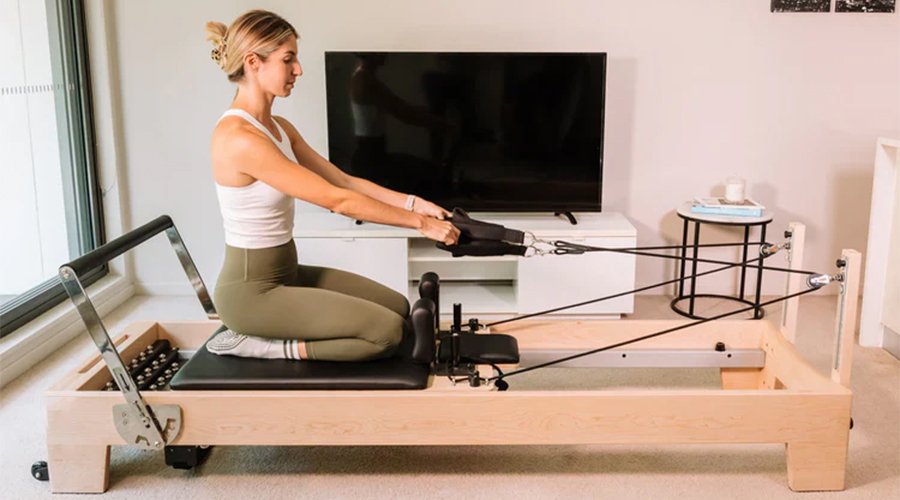
- Create a comfortable space: If you work from home, keep a clear area for exercises. For those who want to deepen their practice, basic equipment like a Pilates mat or resistance bands can be useful. Look for quality products from reliable brands to ensure safety and durability. Companies like Raetin offer a range of options, such as reformers, mats, and bands, that are designed for home use, but always choose what fits your needs and budget.

Conclusion
Pilates is a powerful yet accessible way for office workers to combat the negative effects of a sedentary lifestyle. By improving posture, reducing pain, and boosting mental clarity, it helps you stay healthy and productive. The exercises are simple, require no special equipment, and can be integrated into your day easily. Remember, small consistent efforts—like the stretches shared here—add up over time. If you’re ready to start, focus on building a routine that works for you. For those interested in equipment, trusted suppliers like Raetin provide supportive tools to enhance your practice. Ultimately, Pilates is about empowering you to feel better every day, so give it a try and experience the transformation for yourself!
Note: This article is for informational purposes only. Consult a healthcare professional before starting any new exercise routine.