In the fitness world, many believe that only high-intensity training yields results. However, low-intensity exercise, which emphasizes control, precision, and mind-body coordination, actually demonstrates more lasting benefits. Pilates is a prime example of this type of exercise.
True strength comes from control
Low intensity does not equate to poor results. It avoids high-stress movements like jumping and impacts, focusing instead on the quality and control of each movement. This approach particularly emphasizes training the deep muscle groups that maintain body stability, making training a “building” rather than a “consumption” process.
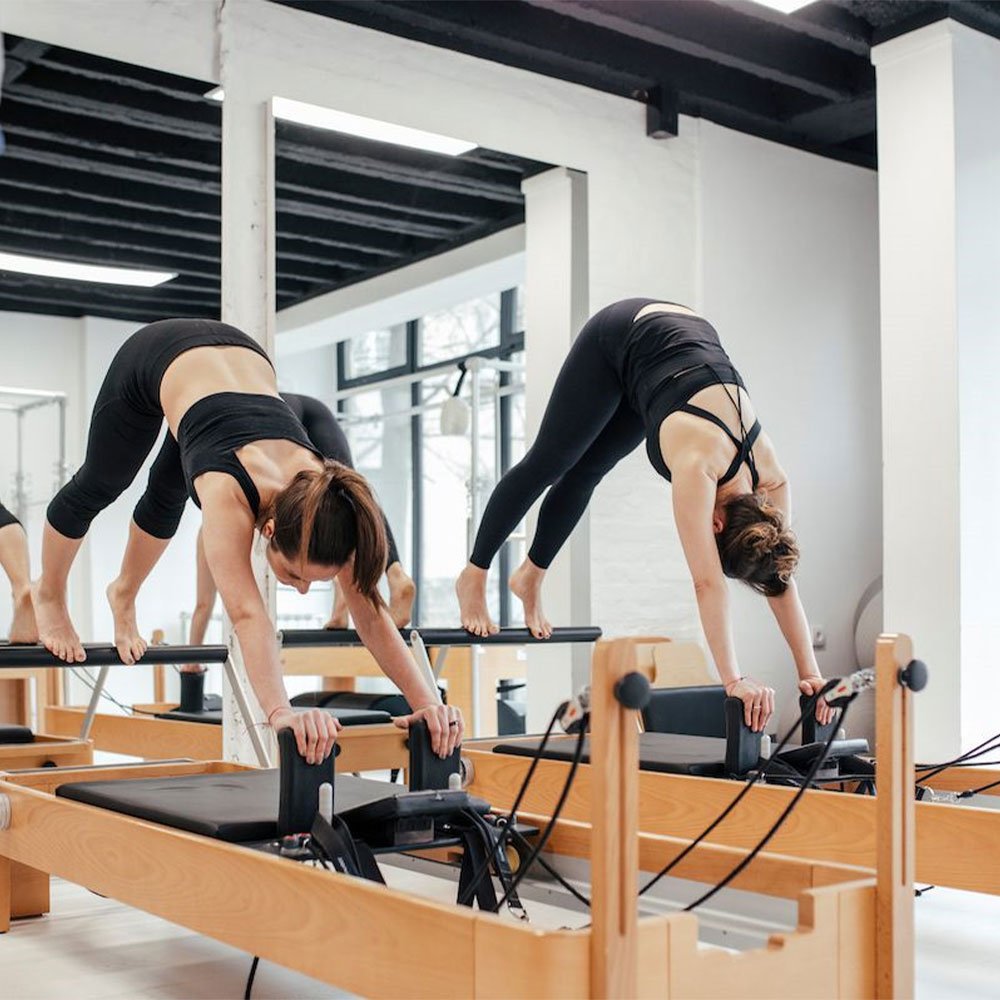
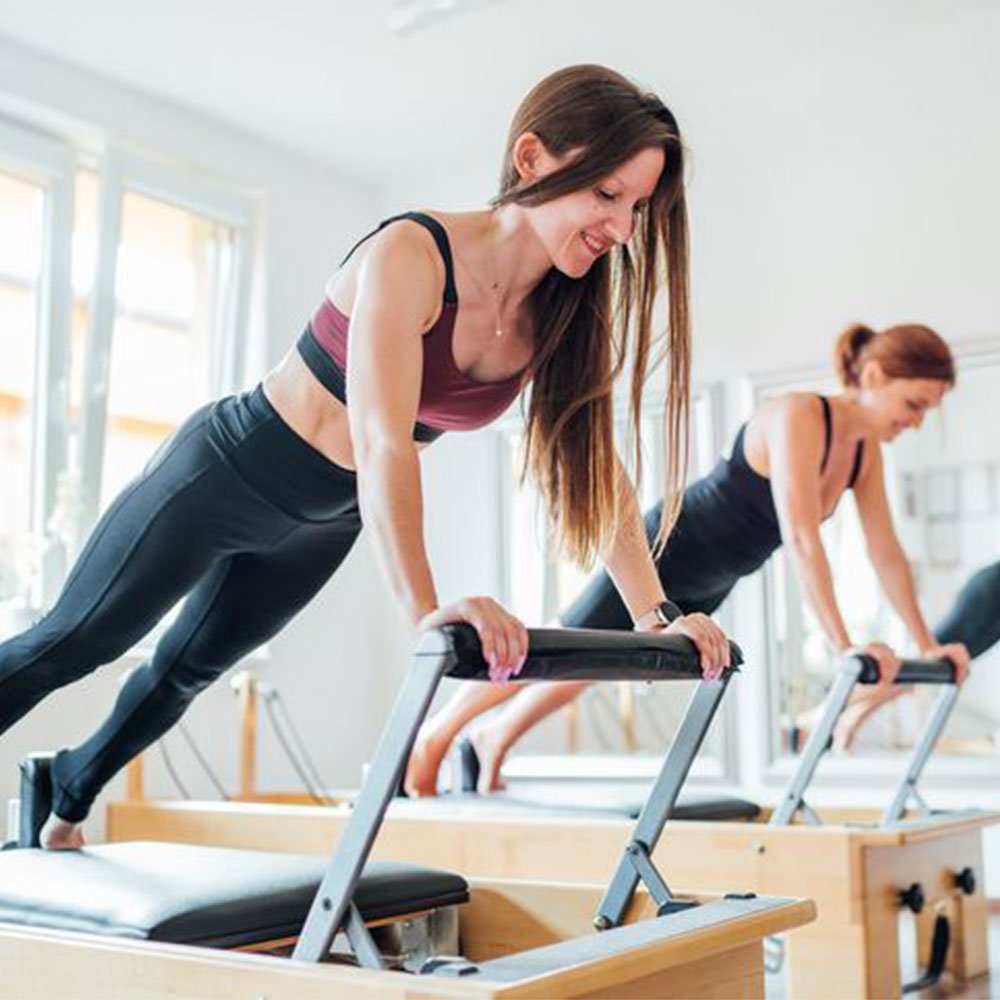
Pilates perfectly embodies this philosophy. Through carefully designed movements and coordinated breathing, it deeply activates the core and stabilizing muscle groups throughout the body in a steady rhythm. This training not only increases strength but also optimizes body usage patterns, laying a solid foundation for long-term health.
Professional equipment enhances training effectiveness
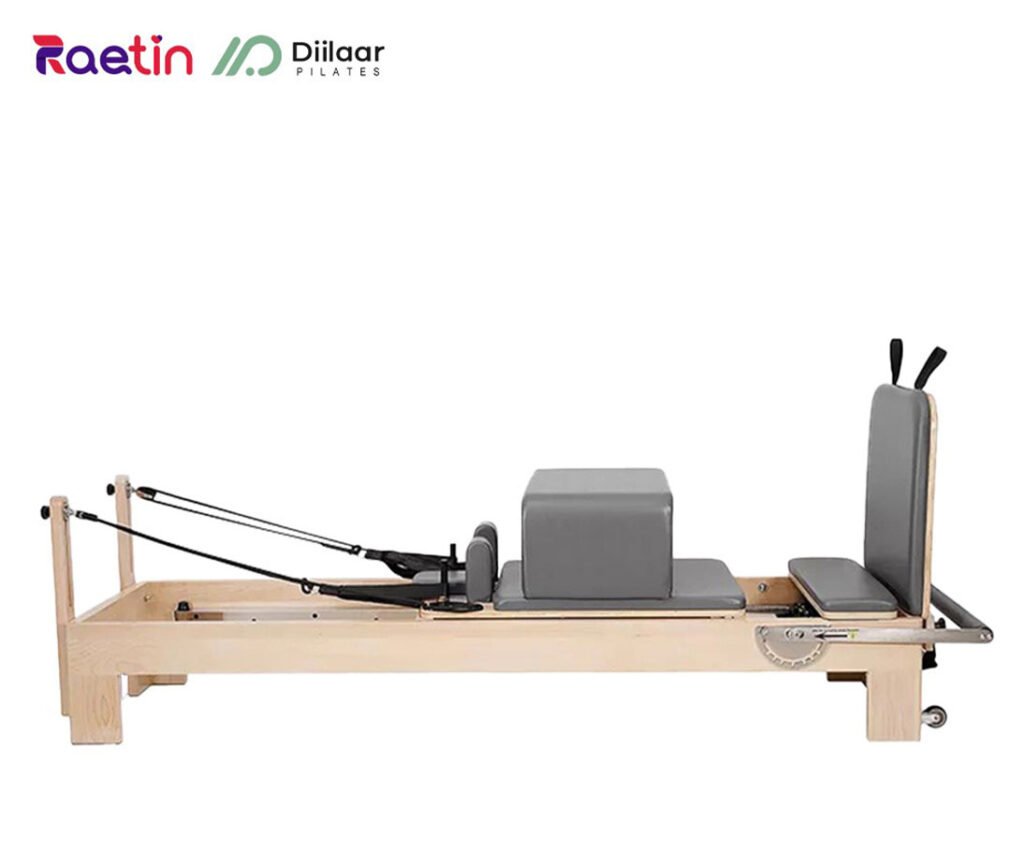
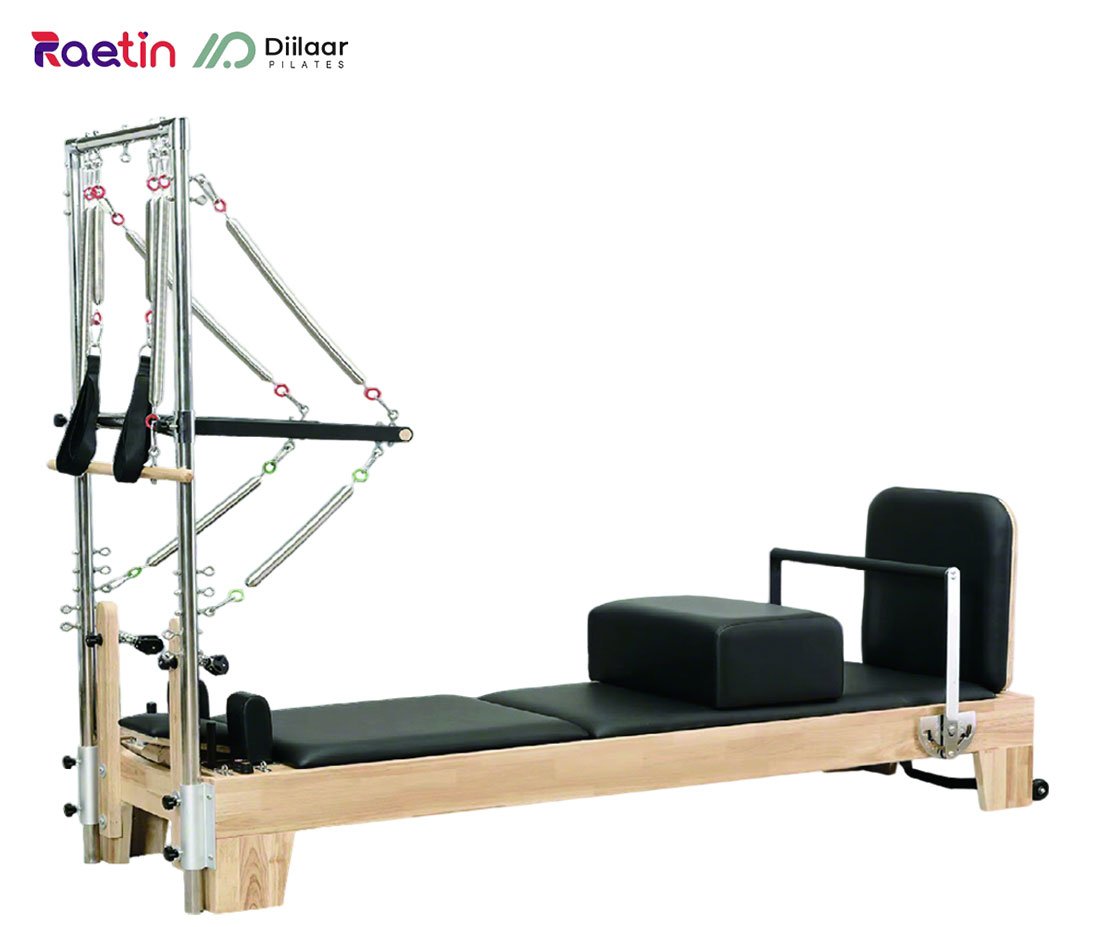
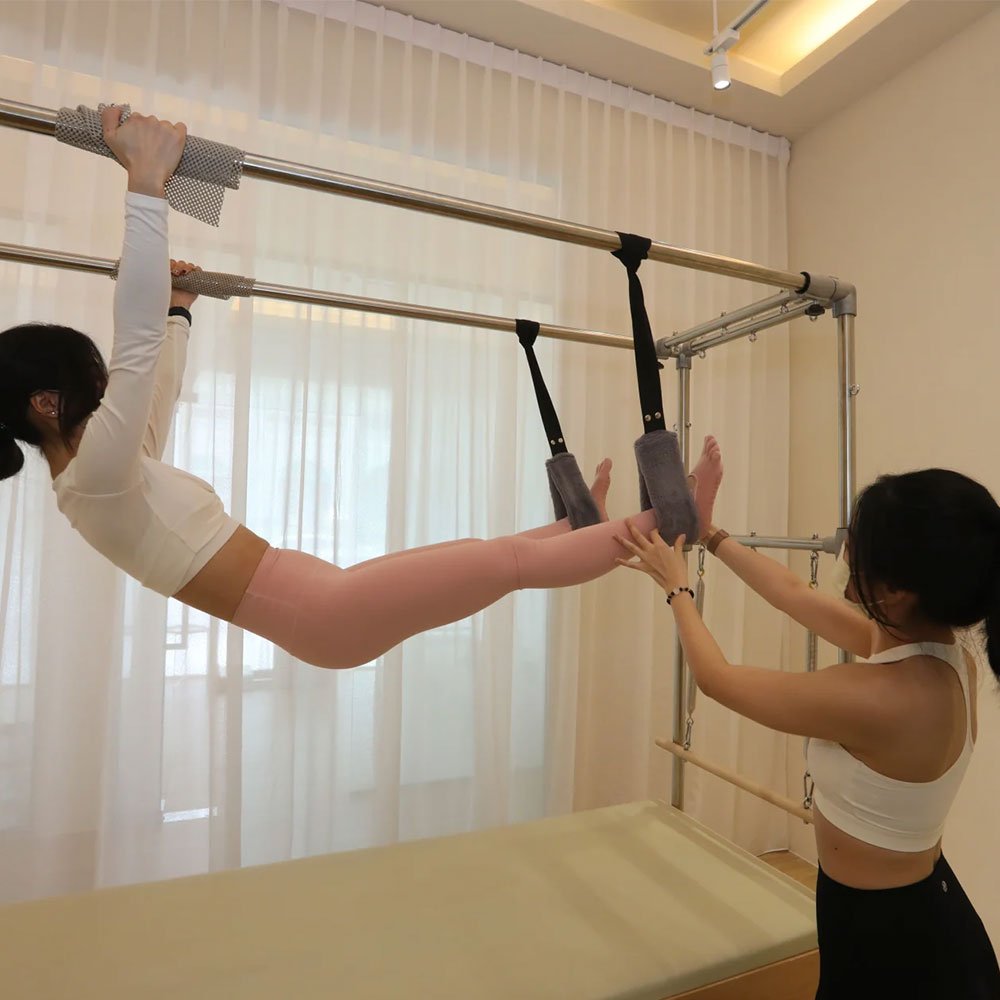
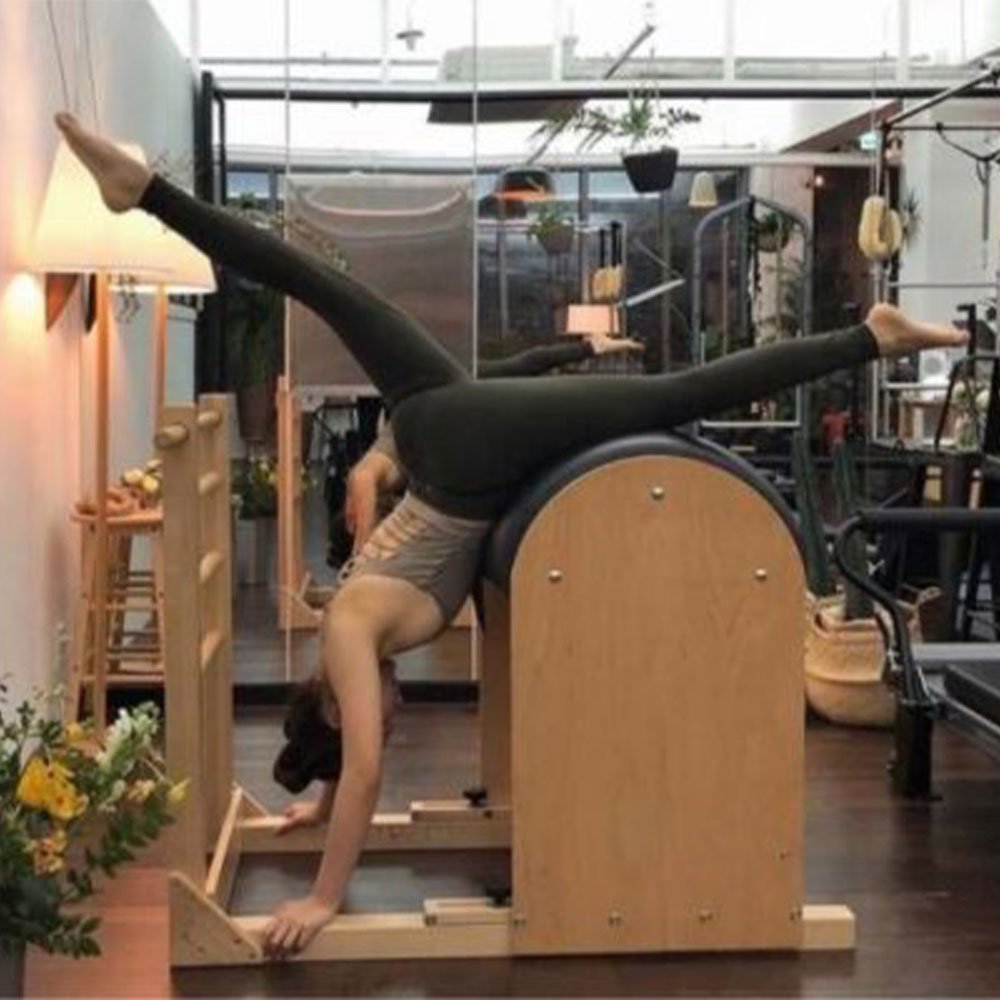
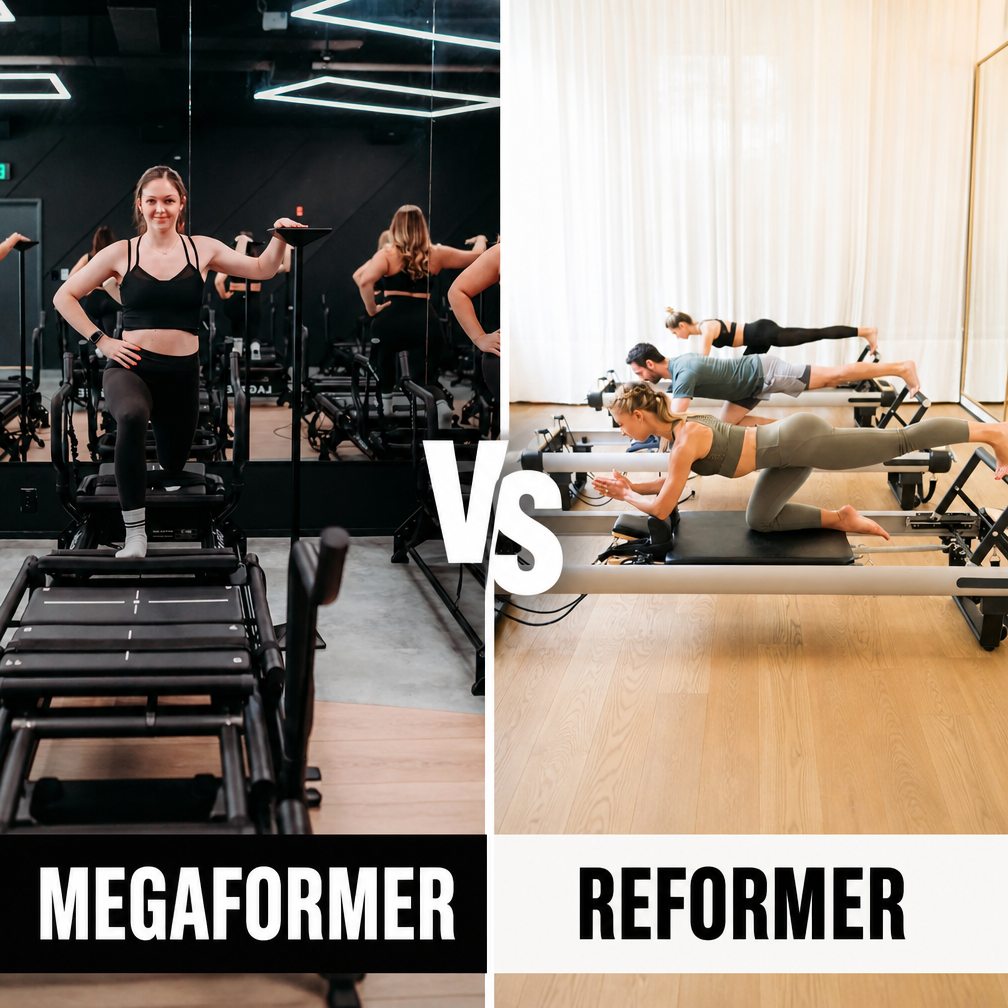
To fully leverage the advantages of low-intensity training, suitable equipment provides crucial support. Professional pilates equipment offers controlled resistance and stable support, helping practitioners achieve more precise training.
For example, the spring system of a Pilates remodeling training bed allows practitioners to adjust the resistance according to their own situation, exploring the range of motion and strength limits of movements within a safe framework, protecting joints while ensuring training effectiveness.
As a Pilates equipment manufacturer, Raetin understands the importance of reliable equipment for training. We are committed to providing durable equipment that provides clear feedback, ensuring that every exercise safely and effectively helps users improve their body awareness and motor skills.
Long-term benefits outweigh short-term effects
The benefits of low-intensity training are broad and lasting:
Healthier joints: Reduced impact means less stress on the knees, hips, and spine, allowing you to maintain your training long-term and avoid interruptions due to joint problems.
More stable progress: By focusing on the quality and rhythm of movements, the body gradually builds true functional strength and endurance, resulting in more stable effects.
Deeper mind-body connection: The training process is also a process of enhancing body awareness, which helps you maintain better posture and control in daily life.
Suitable for most people
Low-intensity exercise has a wide range of applications. Whether you’re a beginner, an athlete needing balance training, a woman in a specific physiological stage, or a senior looking to maintain vitality, you can find a training method that suits you.
It can be used as a standalone training system, or combined with other sports as a recovery supplement after high-intensity training, or to strengthen often-neglected stabilizing muscle groups and help prevent sports injuries.
Choose sustainability, not just short-term gains
In short, low-intensity training represents a smarter health concept: true strength comes from control, not brute force, and lasting health is built on sustainable habits.
Choosing this control-centric approach to exercise means choosing a path to health that harmonizes with your body and can be maintained long-term. On this path, every focused practice contributes to greater endurance and stronger physical and mental resilience.
This is the most fundamental and lasting value of low-intensity exercise.