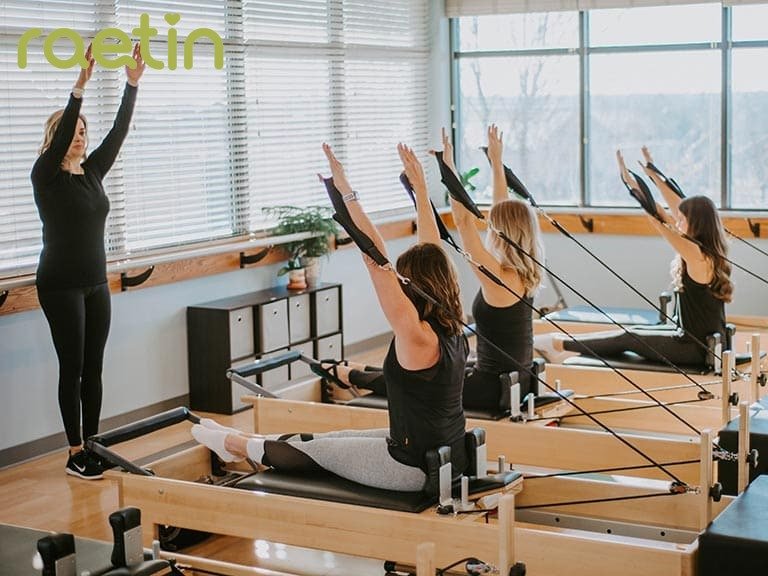
What’s the first thing you notice when you walk into a Pilates training space? The neatly arranged equipment, the tranquil atmosphere, or the quietly immersive background music? For many, music sets the tone long before the first move begins. It can inspire, energize, calm you, and even subtly guide you to the beat. But music in a Pilates workout goes beyond simply filling the silence; it profoundly influences how your body and mind respond to each movement.
If you’ve ever wondered, “Is music important in Pilates?” the answer is yes—and the reasons are more scientific and profound than you might imagine.
The Scientific Resonance of Music and Movement
Music has a remarkable impact on the brain and body. Research shows that rhythm and tempo influence breathing patterns, heart rate, and perceived exertion. A fast-paced song can stimulate adrenaline and help you complete a challenging exercise, while a slower, more steady song can enhance your focus and precision.
Control and breathing are crucial in Pilates. The right music can serve as an anchor, synchronizing you with your breathing cycle. For those fresh off a stressful day, this multisensory experience can help quickly shift your mindset into “exercise mode,” making every minute of your workout more efficient.
The Power of Rhythm: How Music Can Enhance Your Training
Fighting Fatigue and Prolonging Endurance
Music can effectively distract you from physical discomfort, such as fatigue and muscle soreness. Scientific research consistently shows that music can delay the onset of fatigue and reduce the perceived effort during exercise, especially in endurance-based exercises. When your attention is captured by music, you may find yourself able to maintain form and intensity for longer than expected.
Promoting Flow
Music can promote what behavioral psychologists call “flow”—a state of deep focus where movements feel effortless. Athletes often describe this state as “getting in the zone,” where performance feels automatic and efficient. The right music can stimulate this mindset, enhance intrinsic motivation, and make your Pilates practice more fluid and natural.
Synchronizing Rhythm and Movement
Matching music to repetitive movements has been shown to improve training efficiency and productivity. The rhythm of the music helps establish movement patterns, thereby improving coordination, endurance, and overall performance. This is particularly evident in many Pilates exercises, particularly those involving rhythmic contractions and releases.
A Well-Designed Pilates Music Strategy
A great Pilates training experience isn’t just about playing a random playlist. A professional training approach aligns the music precisely with the specific objectives of the session.
Whether it’s a machine-based workout that increases intensity through progressive resistance or a mat-based exercise focused on flexibility and stretching, each playlist should match the mood of the workout. Workouts typically begin with a steady, mid-tempo track to help the practitioner settle in, transition to higher-energy tracks during peak power, and conclude with a gentle, relaxing cool-down.
This careful sequencing not only supports the body’s rhythm but also helps the mind transition naturally between exertion and recovery.
The Harmony of Quality Equipment and Music
As an experienced Pilates equipment manufacturer, Raetin understands that every detail counts when it comes to a great training experience. Just as carefully designed music enhances training effectiveness, meticulously crafted Pilates equipment responds to every movement of the body, creating a perfect harmony with the rhythm of the music.
The Raetinteam enjoys a strong reputation in domestic and international markets, with products exported to 85 countries and regions across North America, the Middle East, and Europe. All products are SGS ROHS/ISO 9001, ISO14001/CE/GRS certified, ensuring every practitioner enjoys training in a safe and professional environment. When high-quality equipment is combined with carefully selected music, the Pilates experience transcends mere exercise and becomes a comprehensive sensory experience.
The Multisensory Symphony of Pilates
Pilates is inherently a highly sensory exercise. You feel the texture of the mat or equipment, listen to the instructor’s cues, observe your posture, and control your breathing. The addition of music enhances this experience, engaging another sense, thereby enhancing performance and enjoyment.
For auditory-first learners (those who process information more effectively through hearing), music complements verbal instructions to enhance rhythm, flow, and pacing. This means that even if you don’t constantly look up for visual cues, you can still feel the rhythm of the movements by adjusting to the beat.
Conclusion: Make Music Your Pilates Partner
So, is music important in Pilates? Absolutely. It’s more than just background noise; it’s a tool for shaping the energy, focus, and rhythm of each session. The right music can make every movement more powerful and every moment more engaging.
Whether you’re connecting with the collective energy of music in a group class or finding the rhythm of self-conversation in individual practice, the right music can enrich and deepen your Pilates journey. When every breath syncs with the melody and every stretch resonates with the rhythm, you’ll discover that Pilates is more than just a physical exercise; it’s a harmonious dance of the mind and music.