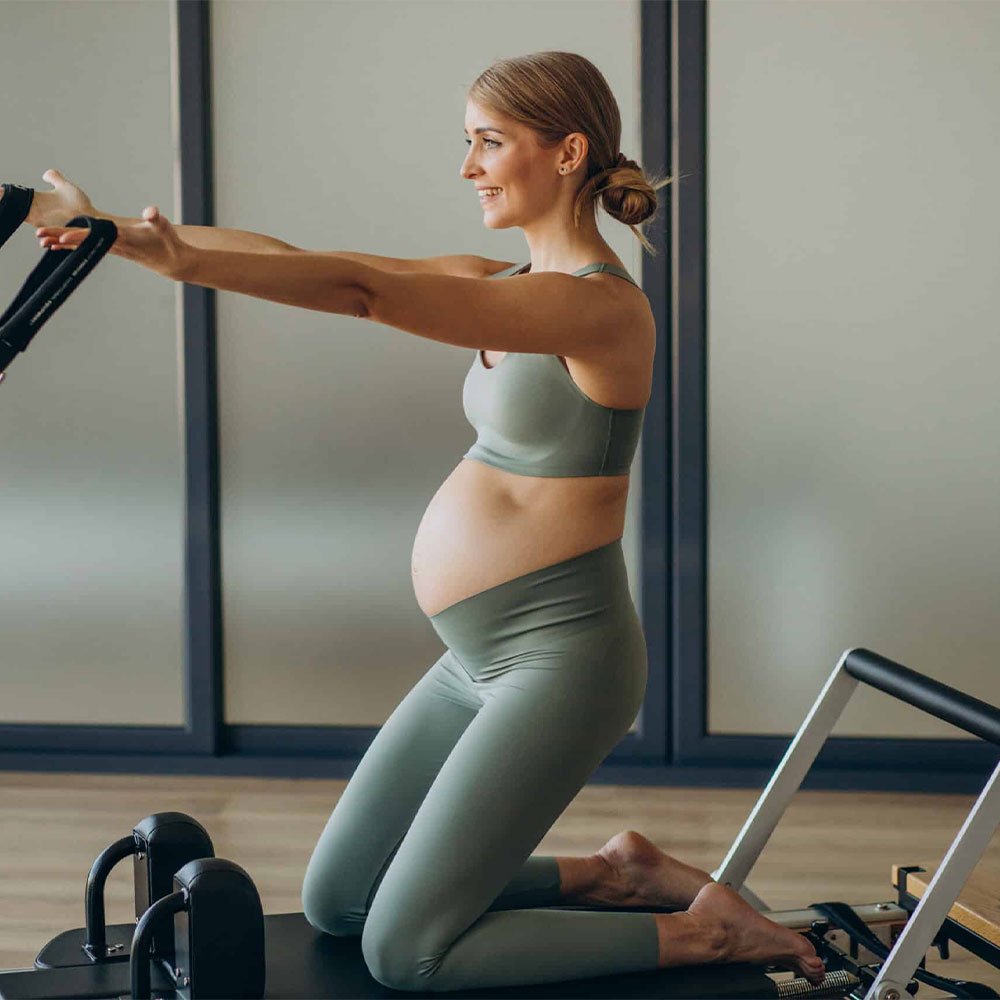
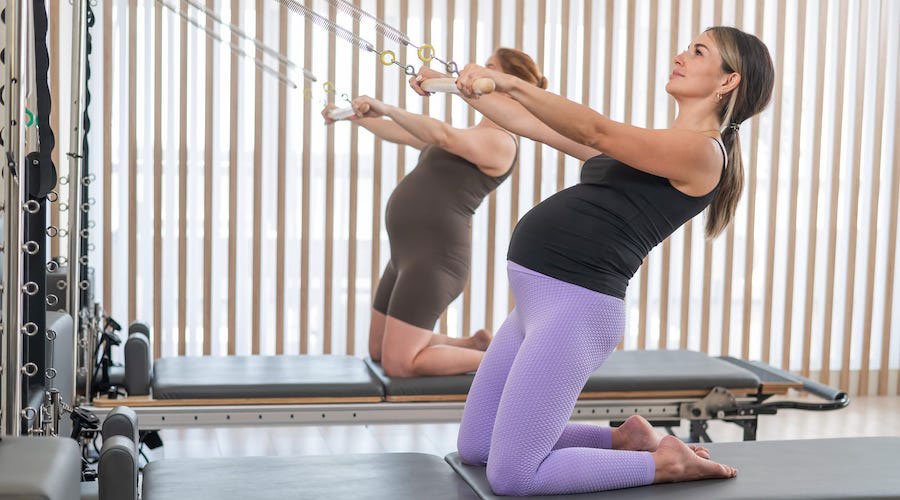
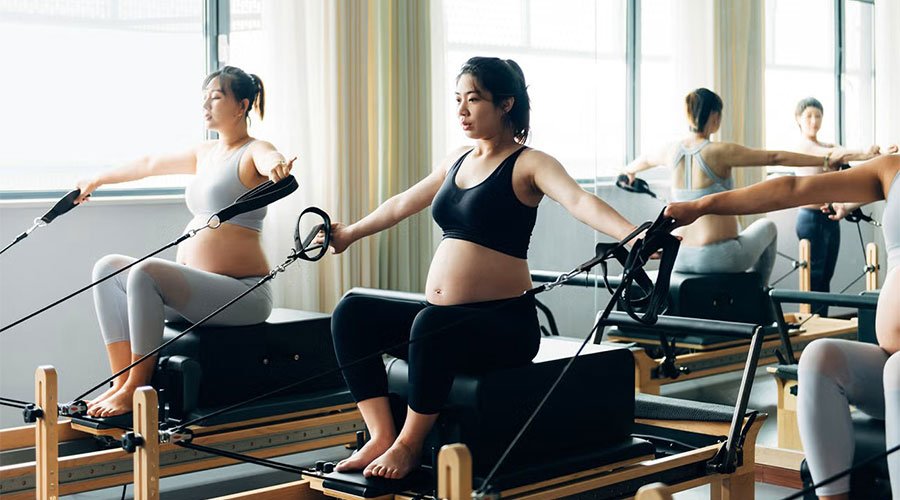
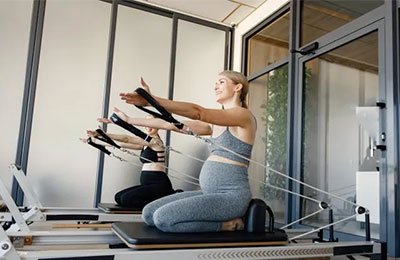
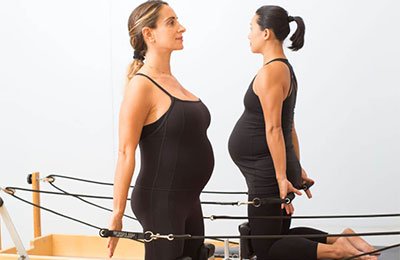
Many women choose to continue Pilates during pregnancy, which helps maintain strength, alleviate pregnancy discomfort, and prepare for childbirth. However, following safety guidelines is especially important because the body’s condition varies at each stage of pregnancy.
Practice Focus at Each Stage
First Trimester (Weeks 1~12)
At this stage, physical changes may not be obvious, but fatigue and morning sickness may have already appeared. If you feel well, you can continue your daily Pilates practice, but it is recommended that you:
Maintain your current exercise intensity and avoid pushing yourself to the limit
Pay attention to your body’s signals and rest as needed
Begin consciously practicing Pilates breathing techniques and pelvic floor muscle activation techniques.
Stay hydrated and avoid overheating
Second Trimester (Weeks 13~27)
As your abdomen gradually protrudes, your Pilates exercises will need to be adjusted accordingly:
Avoid prolonged supine positions (after about 16 weeks)
Reduce the large abdominal curling movements in Pilates.
Practice in side-lying, kneeling, or sitting positions
Use cushions or a special pregnancy pillow for support
Keep all movements gentle and avoid overstretching
Third Trimester (After 28 Weeks)
The focus shifts to comfort and childbirth. Preparation:
Primarily use supportive positions such as side-lying or kneeling.
Slow down movements and increase rest frequency.
Strengthen gluteal muscles and pelvic stability through exercises.
Emphasis on Pilates breathing and relaxation training
Comfort is the first principle.
General principles for safe practice
If you feel pain, pulling sensation, or discomfort from abdominal swelling, stop or adjust the movement immediately.
Maintain steady breathing and avoid holding your breath.
Replenish fluids before, during, and after practice.
Respect your body’s rest needs.
Everyone’s pregnancy experience is different; adjust according to your individual circumstances.
The Support of Professional Equipment
Choosing the right exercise equipment can provide greater safety and convenience for prenatal training. Professional Pilates equipment typically features adjustable resistance and a stable support structure, allowing expectant mothers to adjust training intensity according to their body’s changes at each stage while protecting their joints.
As a Pilates equipment manufacturer, Raetin always prioritizes the safety of this special population. Our equipment is strictly ergonomically designed, using precise spring systems and a robust frame structure to provide reliable and controllable training support for expectant mothers, helping them safely enjoy the benefits of Pilates under professional guidance.
Precautions Before Starting
Before beginning or continuing any prenatal exercise program, always consult your doctor or midwife. Choose an instructor with experience teaching prenatal care and inform them of your gestational age and any physical changes during each session.
The goal of prenatal exercise is not to push your limits, but to support your body through this special time through safe and moderate exercise. Listen to your body, enjoy the balance that exercise brings to mind and body, and you’ll find that Pilates can be a wonderful companion for a healthy pregnancy.
You can leave the product you need and convenient contact information, we will contact you within 2 hours and give you a quote!
Helping you choose Pilates reformer
You can leave your ideas/style/quantity/customization/exercise effects/anything else you want, and we will recommend the most suitable product for you!